
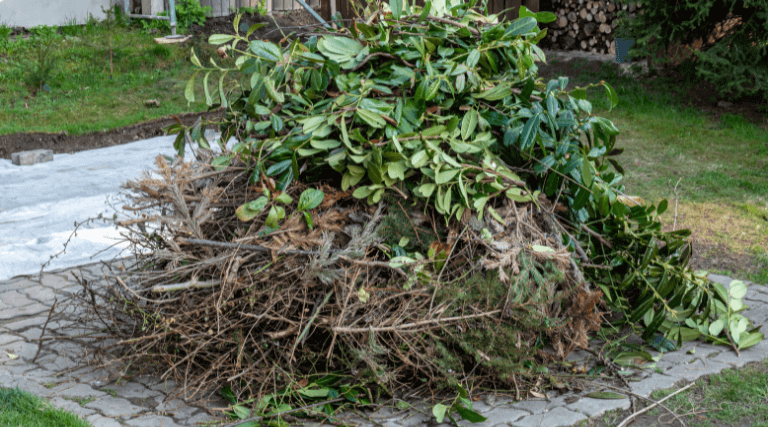
For avid gardeners and homeowners, maintaining a beautiful and tidy garden is a year-round commitment. Regular garden clear-outs not only enhance the aesthetic appeal of your outdoor space but also promote the health of your plants and lawn. One of the most effective ways to manage the waste generated from these clear-outs is by using a skip. Here’s why a skip is an essential tool for garden waste management and how you can use it effectively.
Why Use a Skip for Garden Waste?
Garden clear-outs can generate a significant amount of waste, including old plants, grass clippings, branches, soil, and even garden furniture or broken tools. Disposing of this green waste can be challenging without the proper means. Here are several reasons why a skip is an ideal solution:
-
Volume: Garden waste can quickly accumulate, especially during seasonal pruning or landscaping projects. A skip can handle large volumes of waste, allowing you to dispose of everything at once rather than making multiple trips to the recycling centre.
-
Convenience: Hiring a skip delivers convenience right to your doorstep. You can fill it at your own pace and have it collected once you’re done, saving you time and effort.
-
Cost-effective: Considering the time and potential costs associated with individual trips to dispose of garden waste, hiring a skip can often be more economical, especially for large-scale garden clear-outs.
-
Eco-friendly: Many skip hire companies offer services that prioritize recycling and responsible waste management. By choosing a skip hire, you’re ensuring that your garden waste is processed in an environmentally friendly manner, often being turned into compost or other useful materials.
Choosing the Right Skip Size
The size of the skip you’ll need depends largely on the scale of your garden project. For modest garden maintenance, a mini skip (2-3 cubic yards) may suffice. These are ideal for small amounts of soil, leaves, and grass clippings. For larger projects, such as garden redesigns or extensive landscaping works, midi (4-5 cubic yards) or builders’ skips (6-8 cubic yards) are more appropriate. These can accommodate everything from large quantities of soil to whole shrubs and pieces of broken garden furniture.
What Can Go in a Garden Waste Skip?
While skips are versatile, it’s important to know what can and cannot be placed in one. Typically, you can include:
-
Grass cuttings, leaves, and flowers
-
Branches, logs, and bark
-
Untreated timber
-
Soil and turf (although, check if there are limitations on the amount as soil can be heavy)
However, you should avoid putting in:
-
Treated timber and wood
-
Large stones and rubble
-
Hazardous waste like paints or chemicals
-
General household waste
Tips for Efficient Skip Use
-
Sort your waste: Try to keep different types of waste separate within the skip to facilitate easier recycling.
-
Break down larger items: Cut up large branches, dismantle any wooden structures like old trellises or garden furniture, and crush bulky items to make the most of the space in your skip.
-
Plan your clear-out: Try to coordinate your garden work so that you can hire the skip for the shortest possible time. This planning can help reduce the cost of the hire.
Conclusion
Using a skip for garden clear-outs is an efficient, economical, and environmentally friendly way to manage garden waste. Whether you’re undertaking a small garden refresh or a complete overhaul, a skip can handle all your garden waste needs, allowing you to focus on creating a beautiful outdoor space. Remember to choose the right size skip and sort your waste to ensure that your gardening project is as green as it is clean.


