
Choosing the right skip size for your project is crucial to ensure that you manage waste efficiently and cost-effectively. Whether you are undertaking a small home renovation or a large commercial project, selecting the appropriate skip size can save you both time and money. Here are some top tips to help you determine the best skip size for your needs.
1. Assess Your Waste Volume
The first step in choosing the right skip size is to estimate how much waste your project will generate. Consider the scale of the project and the types of materials you’ll be disposing of. For smaller projects like a bathroom refit or garden clear-out, a mini skip (2-3 cubic yards) might be sufficient. For larger undertakings such as home renovations or extensive garden work, you may require a midi (4-5 cubic yards) or builder’s skip (6-8 cubic yards).
2. Consider the Type of Waste
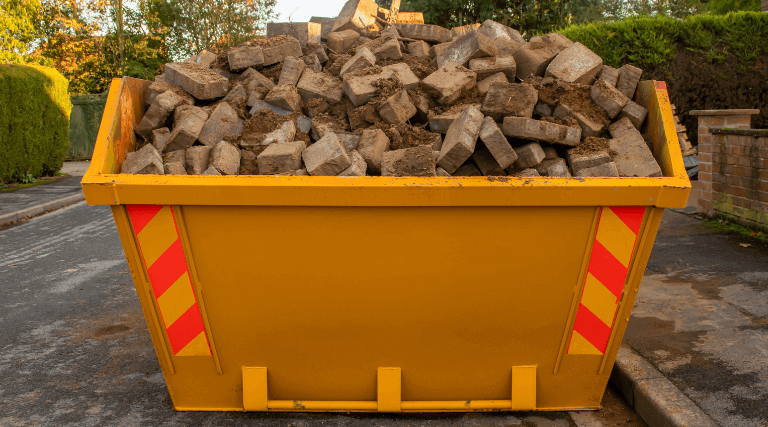
Different types of waste can influence the size of skip you need. Light waste materials like leaves, cardboard, and other non-compactable items take up more space but are less heavy, while denser materials like bricks, soil, and rubble require a sturdier skip with higher weight capacity. It’s important to consider both volume and weight of the waste to avoid overloading, which can lead to additional charges or the need for a second skip.
3. Account for Overestimation
It’s better to overestimate slightly than underestimate. Renting a skip that’s too small can result in needing another skip, which increases costs significantly. A good rule of thumb is to choose a skip one size larger than you think you need, providing extra space for unexpected waste without going overboard on size and cost.
4. Space and Placement Considerations
Before selecting a skip size, ensure you have a suitable place to put it. Skips need to be placed on flat, firm ground and be accessible for drop-off and collection by skip lorries. Check if the skip can fit on your driveway or if it will need to be placed on a road, in which case you may need a permit from your local council. This might also affect the size of skip you choose, as larger skips require more space and secure placement.
5. Local Regulations and Restrictions
Always check local regulations regarding skip hire, including what can and cannot be placed in a skip and any potential restrictions on skip size or placement in your area. Some local councils have restrictions on the size of skips allowed on public roads or might require special permits for certain types or sizes of skips.
6. Consult with Professionals
If in doubt, consult with your skip hire company. They can offer expert advice based on the specifics of your project and their experience with similar jobs. They can help you estimate the right size based on the materials you’re disposing of and the scale of your work.
Conclusion
Selecting the right skip size is essential for managing project waste efficiently and economically. By assessing your waste volume, considering the type of waste, accounting for overestimation, and taking into account space and legal restrictions, you can make an informed decision. Remember, consulting with your skip hire provider can also provide valuable insights, ensuring that you choose the most appropriate skip for your needs.


